.svg)



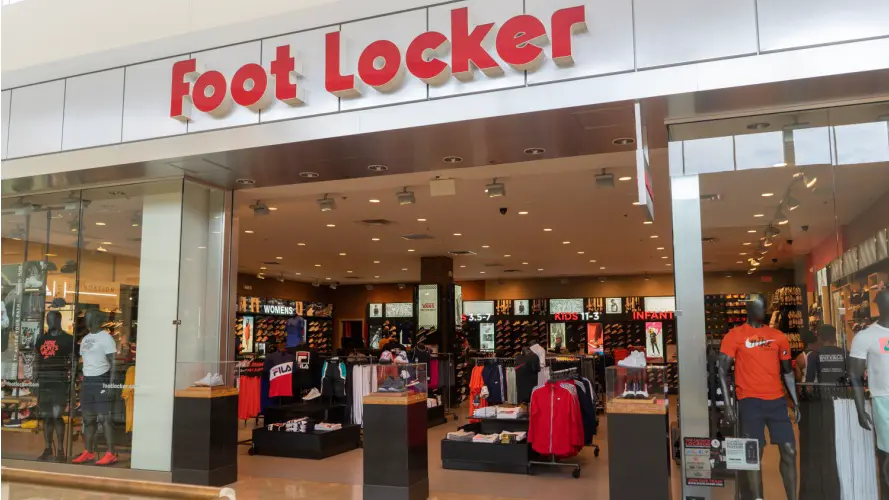


DICK's Sporting Goods outlined a number of reasons behind its decision to acquire Foot Locker this week, including: creating a global platform in the sporting goods retail category, strengthening partnerships with suppliers, and improving its omnichannel capabilities. However, the opportunity to tap into a larger target audience strikes us as the most interesting rationale behind the acquisition, so we thought we’d take a closer look using Placer.ai data.
Foot Locker has a strong presence in malls and urban centers, coupled with its deep connection to sneaker culture and a younger, more fashion-conscious demographic. On the other hand, DICK's has traditionally attracted a broader, family-oriented sporting goods appeal and suburban footprint. Our data reflects this, with the captured market data for the DICK’s Sporting Goods banners showing higher median household income ($87.4K) relative to the Foot Locker banners ($62.3K) as well as a higher percentage of visitors with a Bachelor’s Degree and a smaller household size.
While there are a number strategic benefits for DICK's Sporting Goods acquiring Foot Locker, the significant expansion and diversification of its customer reach is paramount. For major brand partners like Nike and adidas, this unified retail entity presents a compelling advantage: access to Foot Locker's younger, urban, and fashion-forward "sneakerhead" demographic alongside DICK's established suburban consumers through a single, more influential wholesale relationship, thereby maximizing their market penetration and simplifying brand messaging across a broader spectrum of the U.S. consumer landscape. This should also allow for stronger co-marketing opportunities between the footwear brands and retailers, which is crucial in an industry where major brands are increasingly focused on direct-to-consumer strategies.
For more data-driven retail insights, visit placer.ai/anchor.


.avif)